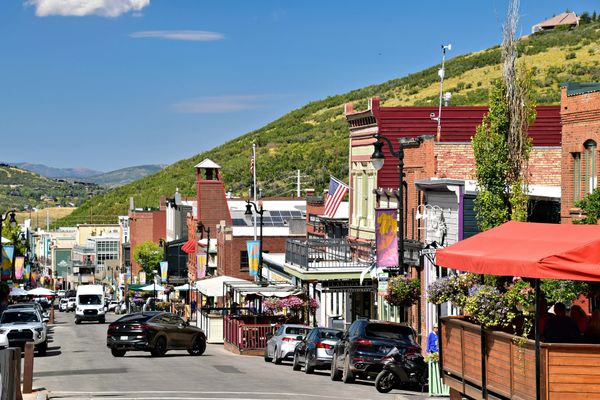


Park City exists because of silver. Before the ski lifts, before Main Street's galleries and restaurants, this was one of the richest silver mining districts in the American West. Understanding this history provides essential context for the town you see today—and reveals stories of ambition, tragedy, and reinvention that shaped our community.
Park City Museum
The Park City Museum occupies the original City Hall and Territorial Jail building, making the structure itself part of the historical experience. The museum's exhibits cover the mining era comprehensively, including interactive displays, original photographs, and artifacts from the mines that operated throughout these mountains.
One of the more impactful exhibits documents the 1902 Daly-West Mine disaster, which claimed 34 lives, and provides an important perspective on the human cost of the industry that built this town.
What to ask about: Upcoming lectures and temporary exhibits.
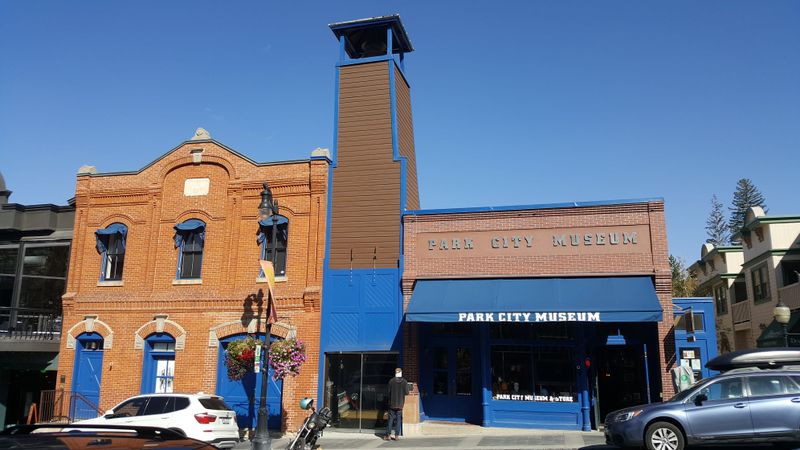
Local Insight: Take the museum's guided walking tour early in your visit—it transforms how you see Main Street for the rest of your trip. The basement disaster exhibit is sobering but essential; this history gives Park City its depth.
Create Your Free Park City Guide →
Main Street Architecture
The Victorian buildings lining Main Street were erected during Park City's mining boom. Many were built before Park City’s Great Fire of 1898, which destroyed much of the town in a single night, the rest were built soon after. Walking the street today, you can identify which buildings predate the fire and which emerged during the rapid recovery that followed.
Look for the historic plaques on buildings explaining their original purposes—saloons, company stores, and boardinghouses that served the thousands of miners who worked these mountains.
What to look for: Fire line markers on certain buildings indicating the boundary where the 1898 blaze was finally contained.
Guided History Hikes
For those interested in seeing mining history in its original context, there are several guided tours that delve into Park City’s early days.
The Park City Museum’s Guided Walking Tour explores historic Main Street and teaches about the architecture, people and notable events that shaped our town’s unique past.
Deer Valley’s guided hikes explore actual mine sites and tell the stories of the operations that extracted millions in silver ore from these peaks.
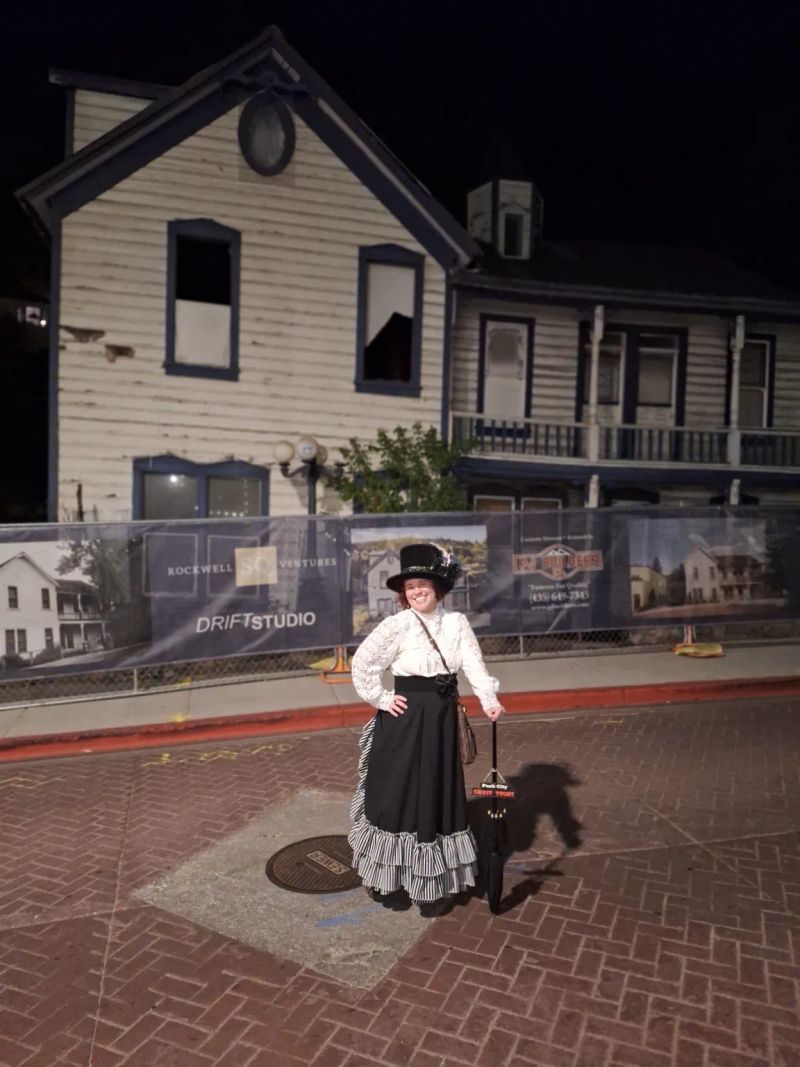
Park City Ghost Tours provides an interesting look into Old Town by blending historical facts with mining folklore and ghost stories.
Silver to Slopes Mining Tour guides intermediate skiers to historic mining buildings and hidden relics, while weaving their stories and origins into the tour.
What to ask about: Recommended attire and additional items, such as water bottles or sun hats.
Mining Remnants Throughout Town
Once you start looking, you will see evidence of the mining era throughout most of Old Town. Antique mine carts serve as planters, tunnel entrances remain visible along ski runs, and the Town Lift at Park City Mountain passes directly through former mining territory. The landscape and the town’s character is directly shaped by the mining industry.
The Decline and Reinvention
By the 1950s, the mines had closed and Park City's population had fallen below 1,500. The town faced becoming another Western ghost town until skiing provided a path forward. This history of reinvention—from mining boomtown to near-abandonment to international resort destination—gives Park City a character distinct from purpose-built resort communities.