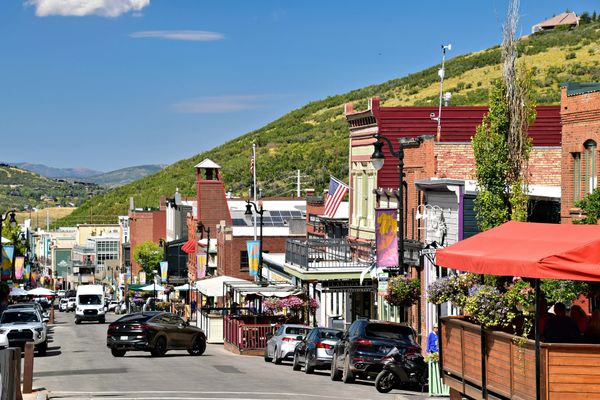


Mountain weather demands thoughtful preparation. Park City's high elevation (nearly 7,000 feet in town, over 10,000 at peak elevations) creates conditions that differ significantly from sea-level winter. Understanding layering principles and local conditions helps you stay comfortable throughout your visit.
The Layering System
Effective mountain dressing relies on three functional layers that work together. The base layer manages moisture, moving perspiration away from skin. Merino wool and synthetic materials perform this function well; cotton does not. The insulating layer provides warmth—fleece, down, or synthetic insulation depending on activity level. The outer layer blocks wind and precipitation while allowing excess heat and moisture to escape—think Gore-Tex.
This system allows adjustment throughout the day as temperatures and activity levels change.
What to look for: Avoid cotton as a base layer—it retains moisture and loses insulating value when damp.
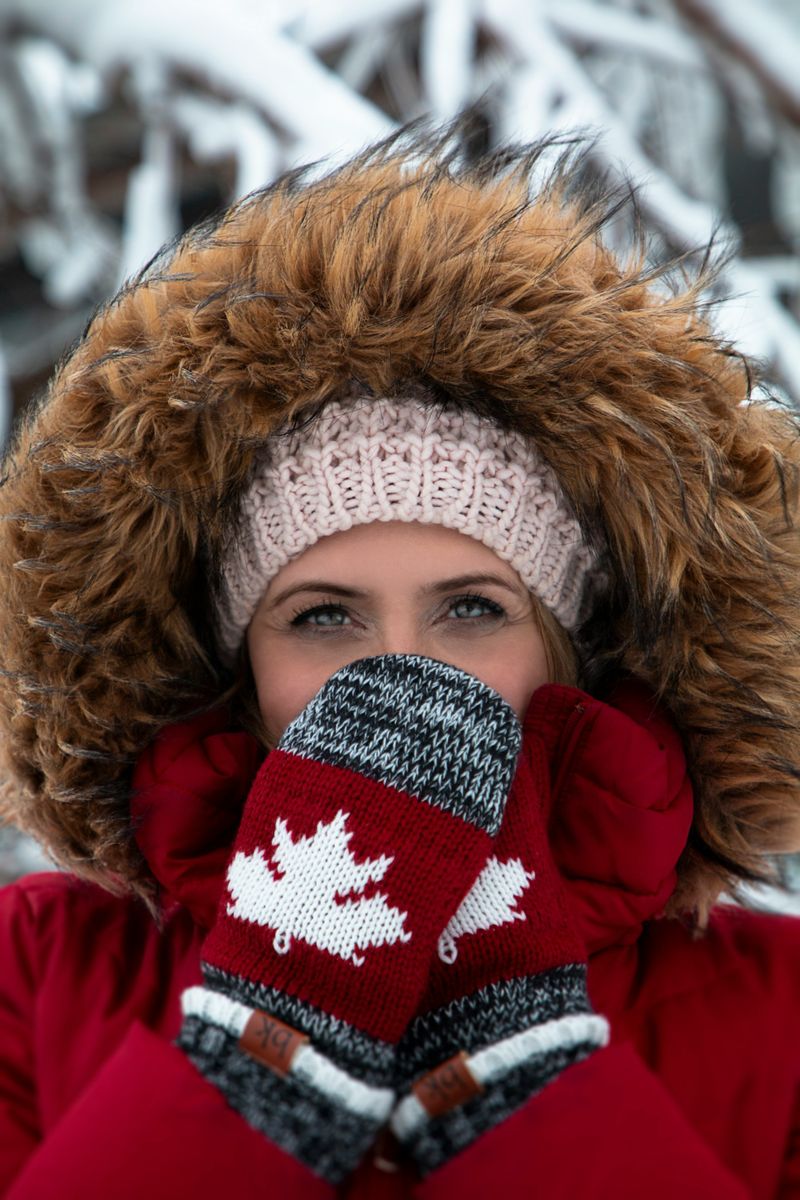
Local Insight: Skip formal winter fashion—comfortable layers work better for moving between indoor and outdoor spaces. Sunscreen matters even on cloudy days; UV intensity increases significantly at elevation.
Create Your Free Park City Guide →
Footwear Considerations
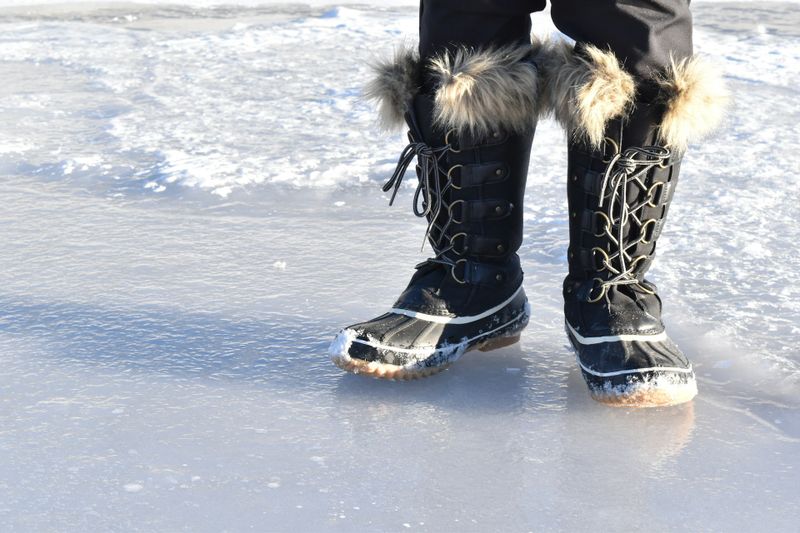
Waterproof insulated boots serve most visitors well for walking around town and general exploration. If you're skiing, your ski boots handle on-mountain needs, but comfortable warm footwear remains important for everything else.
Pack shoes appropriate for restaurant dining and indoor activities as well. Some locations do not allow ski boots inside.
Accessories That Matter
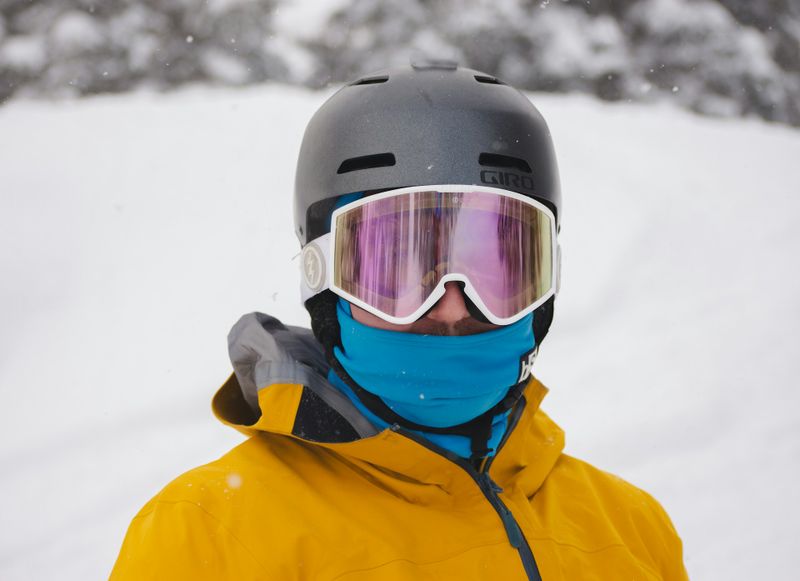
Sunglasses or goggles protect against intense high-altitude sun reflecting off snow. A warm hat, quality gloves, and neck gaiter or dickey prove essential on cold days. Sunscreen remains important year-round at elevation—UV exposure increases significantly in mountain environments.
What to ask about: Local outdoor shops stock quality cold-weather gear if you find yourself underprepared.
Temperature Expectations
December through February typically sees daytime temperatures ranging from the teens to low thirties, with colder readings at higher elevations and during nighttime. Temperature swings of 30 degrees between morning and afternoon occur regularly—layers accommodate these shifts.
Weather can change quickly in mountain environments. Cloud cover, wind, and precipitation alter conditions faster than valley locations experience.
These layering principles apply whether you're skiing, snowshoeing, or simply exploring town.